

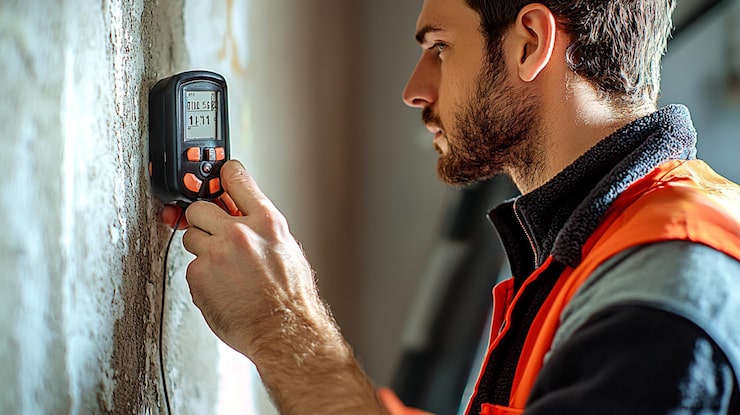
If you’re buying a home, you might assume radon testing is already part of the inspection. It’s usually not. In most cases, it’s a separate service you have to ask for and pay for. Knowing this early matters because a radon testing home inspection can vary in price, timing, and who’s allowed to perform it, depending on your state. The sooner you ask, the smoother the process. Don’t wait until inspection day to find out it wasn’t included.
Is Radon Testing Included In A Standard Inspection?
No, radon testing is not part of a standard home inspection. Most inspectors treat it as an optional add-on that you request separately.
What A Standard Home Inspection Covers
Home inspectors look at the physical condition of the property. Things they check include:
- Roof, gutters, and exterior walls
- Foundation and structure
- Electrical panels and wiring
- Plumbing and drain lines
- Heating and cooling systems
- Windows, doors, and insulation
Radon is a gas you can’t see or smell. Detecting it needs special equipment and, in many states, a separate license. So it doesn’t fit into a standard visual inspection.
Why Radon Is Often An Add-On
Home inspection standards set by groups like InterNACHI® and ASHI don’t require radon testing. In addition, many states require inspectors to get a separate radon certification before they can test. As a result, even inspectors who do offer it usually charge extra for it.
When It Might Be Included
Some inspectors include radon testing in bundled packages, especially in states where radon is common, like Ohio, Pennsylvania, or Colorado. Always check in writing whether it’s included in the price you were quoted.
Why Radon Testing Matters
Radon is the second biggest cause of lung cancer in the US, linked to around 21,000 deaths a year according to the EPA. The only way to know if it’s in your home is to test for it.
You Can’t Detect Radon Without A Test
Radon is a natural gas that comes from uranium breaking down in soil and rock. It gets into homes through:
- Cracks in the foundation
- Gaps around pipes and utility openings
- Crawl spaces and sump pits
There are no smells, no visible signs, and no symptoms. Testing is the only way to know.
What The EPA Says About Safe Levels
The EPA recommends testing any home below the third floor. Here’s what the numbers mean:
- 4 pCi/L or higher: Take action: a mitigation system is needed
- 2 to 4 pCi/L: Worth monitoring closely
- Below 2 pCi/L: Below average: generally considered safe
Fixing a radon problem usually costs between $800 and $2,500 for a mitigation system.
It Helps Both Buyers And Sellers
Buyers get peace of mind knowing the home is safe before they sign anything. Sellers benefit too. Having a clean, recent test on file builds trust and helps avoid holdups close to the closing date.
When Radon Testing Costs Extra
In most home inspections, a radon testing home inspection is a paid add-on. What you pay depends on where you live, who does the test, and what type of test is used.
How Much Does It Usually Cost
Adding radon testing to a home inspection typically runs $100 to $300. Some inspectors give a small discount if you book it at the same time as the main inspection, so it’s worth asking.
Does Your Inspector Need A Special License?
In some states, yes. Radon testers need a certification that’s completely separate from a home inspector license. If your inspector doesn’t have it, you’ll need to bring in a third-party tester. Find this out before booking so you’re not scrambling on inspection day.
Things That Change The Price And Timeline
Several factors affect what you’ll pay and how long results take:
- Test length: Short tests run 48 to 96 hours and cost less. Long tests run 90 days or more and give more accurate results over time
- Test device: Basic charcoal canisters are the cheapest option. Digital monitors cost more but give hourly readings
- Lab fees: Some inspectors include this in the price, others don’t, so always ask
- Rush results: Getting results back faster usually adds to the cost
How To Add Radon Testing To A Home Inspection
It’s easy to add radon testing. You only need to ask before the appointment is set. Here’s how to handle it:
- Bring it up when you first call: Ask if they’re licensed to test in your state, what it costs, and how the test works.
- Find out who does the test: Some inspectors bring in a separate company. If that’s the case, make sure both can show up on the same day.
- Check where the test will be placed: It needs to go in the lowest livable part of the home, usually a basement or ground-floor room. Windows and outside doors need to stay closed during the test.
- Get the results in writing: The report should show the radon level, where the test was placed, how long it ran, and what to do if levels are high.
Written results are also handy if you need to negotiate repairs or price after the inspection.
What Buyers Should Check
Even if a radon test has already been done, there are a few things worth double-checking before you trust the results.
How Old Is The Seller’s Test?
Sellers sometimes share old radon test results. These can give you some background, but if the test is more than two years old or was done before any big renovations, it may not tell you what’s happening now. It’s usually worth getting a fresh one done.
Was The Right Floor Tested?
Radon is strongest at the lowest level of the home. If a previous test was done on the main floor instead of the basement, the reading could be lower than the real level. Make sure any test, old or new, was done on the correct floor.
Did Any Renovations Happen Since The Last Test?
Work like finishing a basement, sealing cracks, or changing the HVAC setup can shift how radon moves through a home. If there’s been major work done since the last test, a new reading is the safest way to get an accurate picture.
Conclusion
Radon testing rarely comes with a standard home inspection, but it’s one of the smartest things you can add. It’s affordable, quick, and gives you a clear answer about something you’d never spot on your own.
Greenhorn Breckenridge offers certified home and commercial inspections with same-day digital reports. Their services include radon, mold, sewer scoping, and thermal imaging, all backed by InterNACHI®-certified inspectors who explain everything in plain English. Book your inspection with them and know exactly what you’re getting into before you commit.